Technical Guide · ACM / MCM
What is ACM? Aluminum composite panels explained
How aluminum composite wall panels are built, how PE, FR and noncombustible cores differ, how route-and-return trays fold, and where single-skin plate panels make more sense.
Updated November 2026
AI-generated illustration
Aluminum skins, panel thickness and sheet stiffness
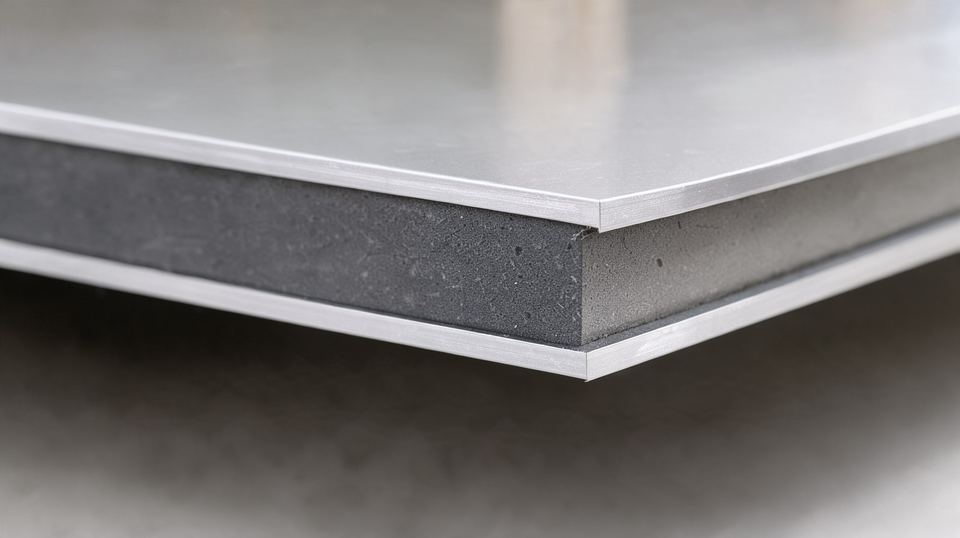
Aluminum composite material—called ACM panels in everyday field talk, MCM (metal composite material) in US Division 07 specifications, and ACP outside the United States—bonds two thin coil-coated aluminum skins, each roughly 0.020 in (0.5 mm) thick, to a solid core. Acting like a miniature structural I-beam, that sandwich stays remarkably flat across wide sheets (commonly up to 60 in wide and long custom lengths) while weighing far less than solid metal of equal stiffness.
For commercial building facades, 4 mm is the standard overall thickness. Thinner 3 mm sheets are mainly used for flat signage and light interior or canopy trim, while 6 mm composite sheets appear on specialized wide-span modules.
Comparing PE, FR mineral-filled and A2-type cores
What sits between the two aluminum skins determines where a building code allows the panel to be installed:
- Polyethylene (PE) core: A standard thermoplastic core generally limited to signs, low-rise retail bands, and canopies where local code permits combustible exterior trim.
- Fire-retardant (FR) mineral-filled core: A mineral-compounded core specified on mid-rise and multi-story commercial facades where New York City building code and project drawings require an NFPA 285 tested exterior wall assembly.
- Noncombustible / A2-type core: Higher-mineral-content cores manufactured for projects requiring noncombustible-classified composite sheets.
The project architect and engineer of record select the core type, continuous insulation, air barrier, and fireblocking details. Our crews never engineer or certify assemblies; we fabricate and install strictly to the approved shop drawings and the manufacturer's tested wall assembly specified for the job.
PVDF coatings, anodized looks and printed architectural finishes
Because composite skins are factory coil-coated before lamination, color uniformity across an elevation is tight. Multi-coat PVDF (fluoropolymer, "Kynar"-type) finishes are the commercial facade benchmark for chalk and fade resistance, joined by high-gloss FEVE coatings, mica and metallic pigments, brushed or anodized-look finishes, and coil-printed wood-grain or stone-look patterns. Sheets leave the plant covered in a directional peel-off film that protects the coating until installation wraps up.
How route-and-return fabrication turns sheets into trays
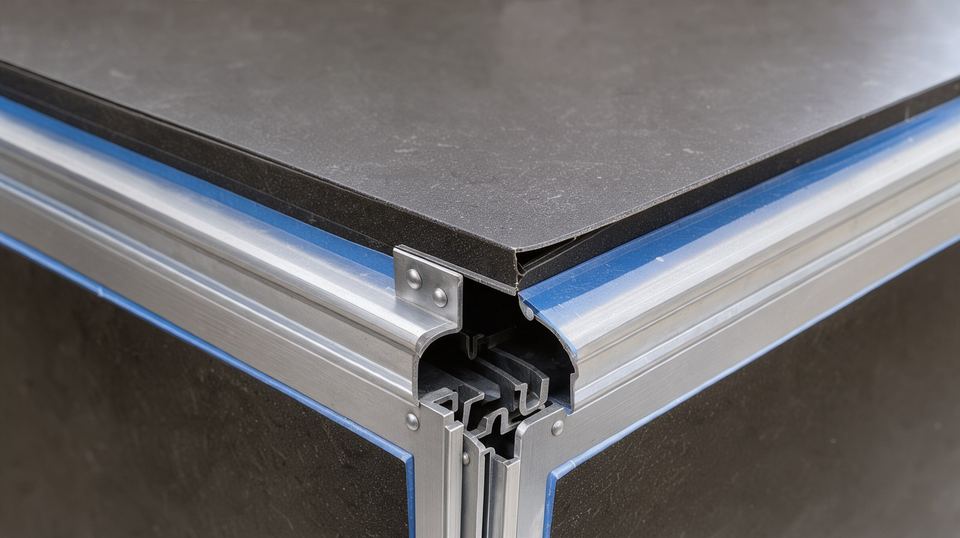
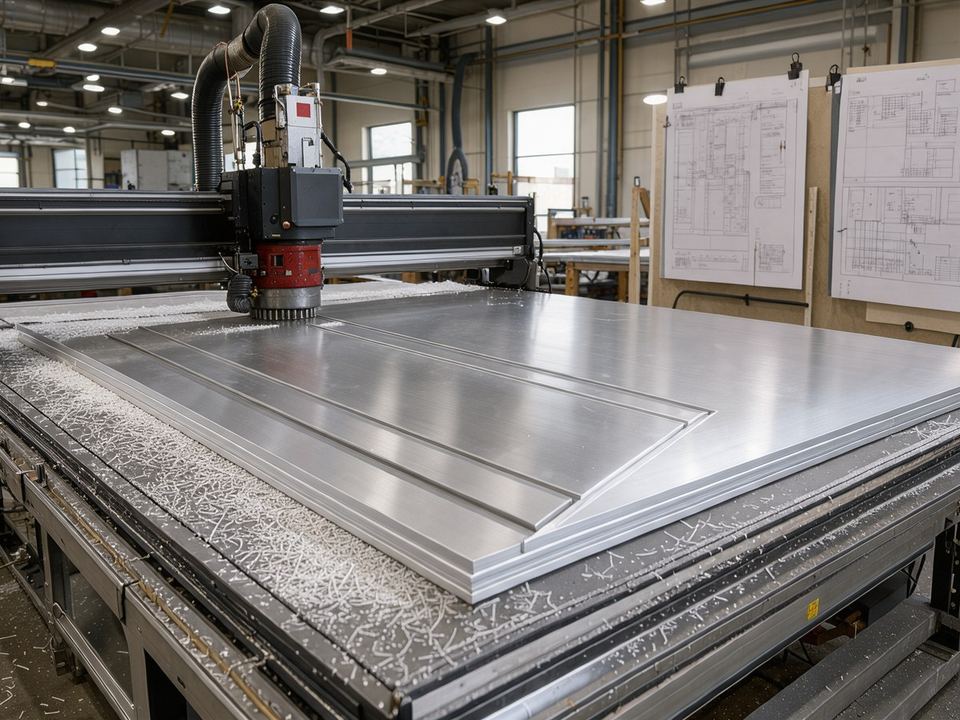
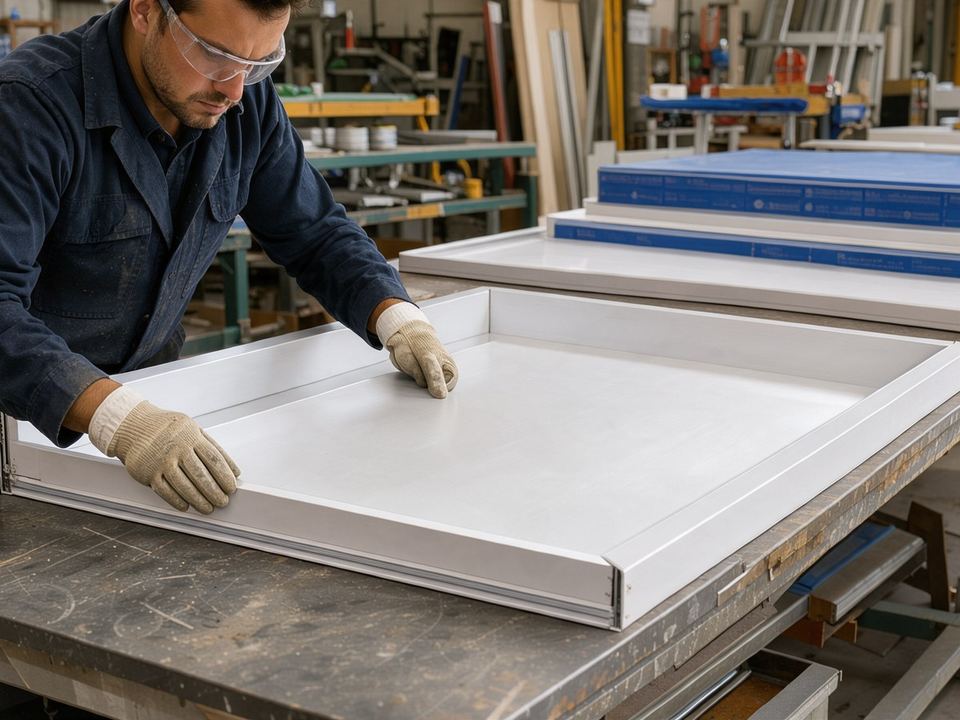
In panel fabrication, a CNC router cuts the flat sheet perimeter and mills a V- or U-shaped groove through the back aluminum skin and nearly all of the core, leaving the painted face skin unbroken. Fabricators fold the perimeter up 90 degrees—usually forming a 1 to 2 in return leg—close corners with internal angles, rivets, or clips, mount perimeter extrusions or hanging clips, and bond stiffeners onto the back of large modules.
Wet-seal barrier joints versus dry-joint rainscreens
Once sub-framing girts, continuous insulation, and the waterproofing air/water barrier are on the wall, composite trays go up as one of two systems:
- Wet-seal systems: Panel joints roughly 1/2 in wide are stuffed with backer rod and sealed at the face with low-modulus silicone.
- Rainscreen systems: Open or spline-baffled dry joints omit face caulk; bulk rain stays outside while any moisture passing the reveal drains and dries inside a ventilated cavity behind the panels.
Where ACM excels and where aluminum plate fits better
ACM is built for crisp, dead-flat commercial wall cladding, storefront surrounds, soffits, canopies, and sign bands—never roofing, metal roofs, or residential house siding. Where a design encounters ground-floor carts and loading impacts, tight curved column wraps, heavy roof-edge copings, or specs demanding monolithic metal with no core, solid 0.080 to 0.125 in plate panels are the better choice. Have drawings ready to price? Visit bid request or call (929) 209-3122.
AI-generated illustration
From CNC router table to sealed or drained facade
AI-generated illustration
AI-generated illustration
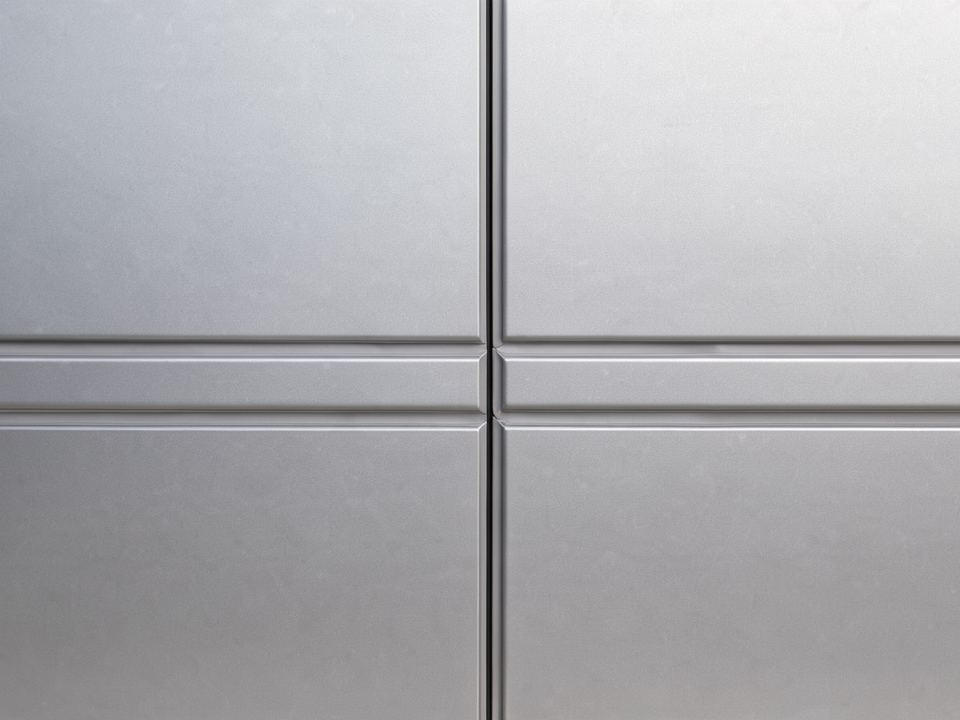
AI-generated illustration
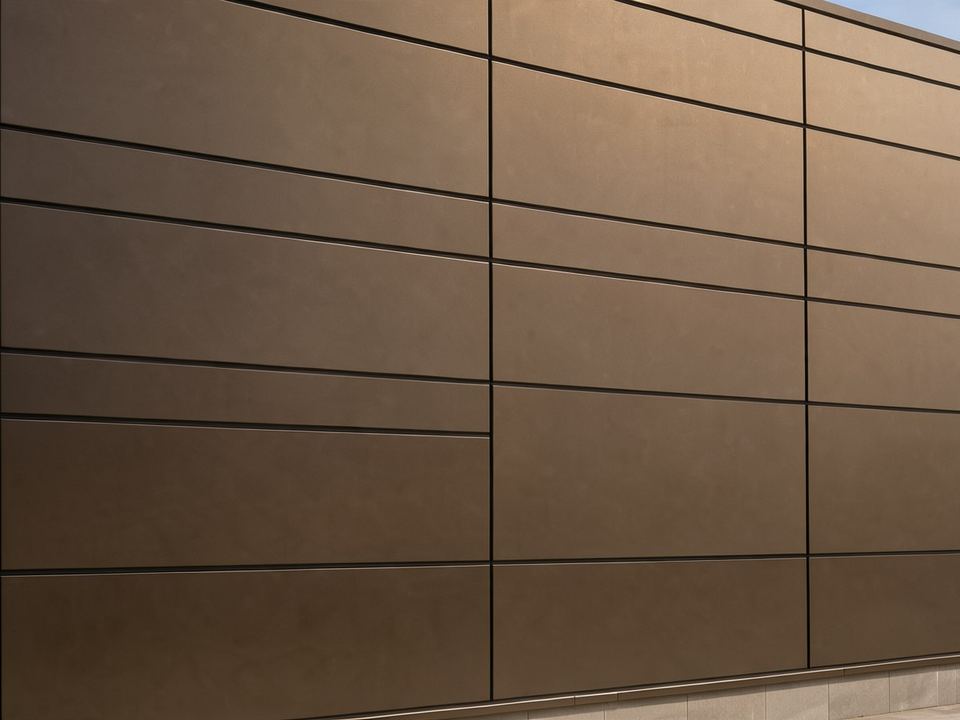
AI-generated illustration
Technical questions about ACM cores, skins and finishes
Are ACM, MCM and ACP different facade materials or the same product?
In architectural cladding they refer to the same sandwich construction. ACM stands for aluminum composite material, which is the most common term when both metal skins are aluminum. US building codes and Division 07 specifications use MCM—metal composite material—to include zinc, copper, or titanium composite skins, while ACP is common international shorthand.
Who decides whether a New York City building needs FR-core ACM instead of PE-core?
The project architect and engineer of record make that determination based on building height, construction classification, occupancy, and New York City building code rules for exterior walls. Multi-story facades requiring an NFPA 285 tested wall assembly use mineral-filled FR or noncombustible-type cores, and installers must follow the exact tested assembly specified on the approved drawings.
Why isn't the face skin cut through when an ACM panel edge is folded?
In route-and-return fabrication, a CNC router mills a precise V- or U-shaped groove through the back aluminum skin and most of the core while leaving the painted 0.020 inch front aluminum skin intact along a thin web. Folding along that groove produces a crisp, weather-tight corner edge without exposing raw core material on the front face.
When should the protective plastic film come off newly installed ACM panels?
Panels ship from the coil coater with a directional peel-off protective film meant to stay on through CNC routing, folding, crating, and hanging so tools and mortar from adjacent trades do not scratch the PVDF finish. Crews peel the film promptly as each elevation wraps up so prolonged sun exposure does not bake adhesive onto the coating.
Can ACM panels be used for roofing or residential house siding?
No—commercial ACM wall systems are designed for vertical facade elevations, canopies, soffits, column wraps, and sign bands, not low-slope or pitched roofing where standing water and snow loads sit on joints. Our company strictly handles commercial metal wall panels and exterior facades, never metal roofs, roofing membranes, or residential house siding.
Have an ACM wall assembly on your drawings?
Send architectural PDFs or spec sections and tell us whether you want install-only, fabricate-only or both.
Explore our NYC ACM systems and shop services
- ACM panels
Commercial aluminum composite cladding across the five boroughs.
- Aluminum plate panels
Solid 0.080 to 0.125 inch single-skin plate panels, column covers and copings.
- Wet-seal systems
Face-sealed route-and-return panels with silicone joints.
- Rainscreen systems
Drained, ventilated dry-joint ACM assemblies.
- Request a panel bid
Send Division 07 specs and elevations for free pricing.
Comparing ACM against solid plate on a live bid?
Book spring work now. Winter assessments and estimates available.